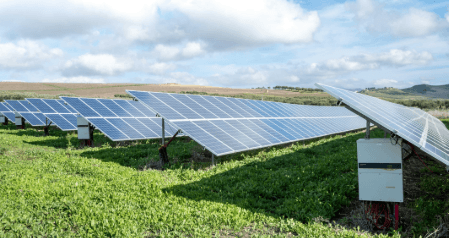
The rise of clean energy tech stems from sharp cost declines in solar, wind, and batteries, alongside tightening decarbonization targets. Storage, grids, and hydrogen act as system shapers, enabling resilience and sector coupling through data-driven economics. Real-world pathways show scalable, flexible demand and supply in homes and businesses. As evaluations balance costs, reliability, and equity, a clear question emerges: what practical value will accelerate adoption without compromising stability? The answer lies in balancing innovation with policy and markets.
What Is Driving the Clean Energy Revolution
The clean energy revolution is propelled by a convergence of driving forces: the rapid decline in costs for solar, wind, and battery technologies; tightening government and corporate decarbonization targets; and growing demand from consumers and industries for reliable, low-emission energy.
Observers note cost dynamics shaping investment, policy levers guiding adoption, and storage skies expanding resilience across grids with measurable, accessible data.
How Storage, Grids, and Hydrogen Change Energy Systems
Storage, grids, and hydrogen are reshaping energy systems by connecting intermittent supply with reliable demand, underpinned by measurable performance gains and policy-supportive economics.
The integration advances storage economics, grid resilience, and hydrogen logistics, enabling demand-supply alignment across sectors.
Data-driven insights show improved capacity utilization, longer asset life, and reduced curtailment, while policy signals accelerate investment and market confidence for flexible, autonomous energy networks.
Real-World Pathways: Homes, Businesses, and Communities
Real-world pathways for homes, businesses, and communities are increasingly shaped by investments in clean energy tech that translate between variable supply and steady demand.
Data show scalable grid integration and demand flexibility across sectors, enabling reliability without sacrificing autonomy.
Solar cooling adds resilience in hot climates, while analytics optimize consumption, reducing costs and emissions for diverse users seeking energetic, accessible freedom.
Evaluating the Tech: Benefits, Costs, and Tradeoffs
Evaluating the tech requires weighing clear benefits against upfront costs and potential tradeoffs across reliability, scalability, and equity. Data show Feasibility costs influence deployment speed while capital and maintenance budgets shape lifecycle economics. Tradeoffs emerge in grid stability, supply chains, and equity of access. Policy incentives affect adoption dynamics, yet outcomes hinge on transparent metrics, risk assessment, and long‑term value for freedom and resilience.
See also: newstwice
Frequently Asked Questions
How Affordable Is Clean Energy for Low-Income Households Today?
Cleaner energy is increasingly affordable for low income households, though costs vary regionally; data show declining prices, improving efficiency, and targeted subsidies. Accessible metrics indicate affordable energy remains uneven, with programs boosting relief for low income households.
What Are the Rare Earth and Mineral Supply Risks?
Rare earths and mineral supply face geopolitical risk due to concentrated deposits and export controls; recycling feasibility varies by material, with data showing mixed progress, while diversification, stockpiling, and regionalization strategies influence long-term resilience.
Can Renewables Fully Replace Fossil Fuels Nationwide?
Renewables likely cannot fully replace fossil fuels nationwide. Data show reliability gaps and grid storage challenges, with seasonal and regional variability. A balanced mix, investment in storage, and robust transmission are essential for a resilient energy future.
How Do We Handle the End-Of-Life of Technologies?
End-of-life management requires systemic planning, prioritizing recycling innovation and safe material recovery. Data-driven strategies minimize waste, extend asset lifespans, and reduce pollution while empowering markets; a freedom-seeking approach emphasizes transparent reporting, standardized standards, and responsible supply-chain stewardship.
What Jobs Are Most Created by Clean Energy Adoption?
Job growth concentrates in installation, operation, and maintenance roles across wind, solar, storage deployment, and grid modernization. Data shows skills training accelerates transitions; regions investing in workforce pipelines realize higher employment gains and broader, freedom-enhancing energy access.
Conclusion
The clean energy shift is underpinned by shrinking costs, policy momentum, and rising demand for low-emission reliability. Storage, grids, and hydrogen unlock system-wide flexibility, enabling leaner, resilient networks and deeper sector coupling. Real-world deployments in homes and businesses illustrate scalable, data-supported paths to decarbonization. Yet tradeoffs—economic, equity, and reliability—must be continuously evaluated. Are we deploying not just faster, but smarter, to ensure durable value for all communities and future generations?